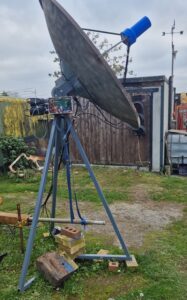
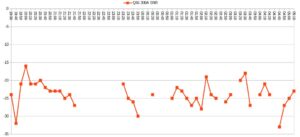
This is the latest test with my non line of sight optical comms paths, this time with a new receiver.
Last year I made a pcb up which allows 4x photodiodes to work in parallel giving a greater beamwidth behind a Fresnel lens, now I’ve finally put this in an enclosure with 4x separate lenses, one on each photodiode. This is in the hope that it will survive sunlight!
I didn’t have a full diecast enclosure so I made a 3d printed cover and supporting structure to hold the lenses and photodiodes off the board, the spacing is wider than the original design so I had to have lots of floating wires behind the diodes.
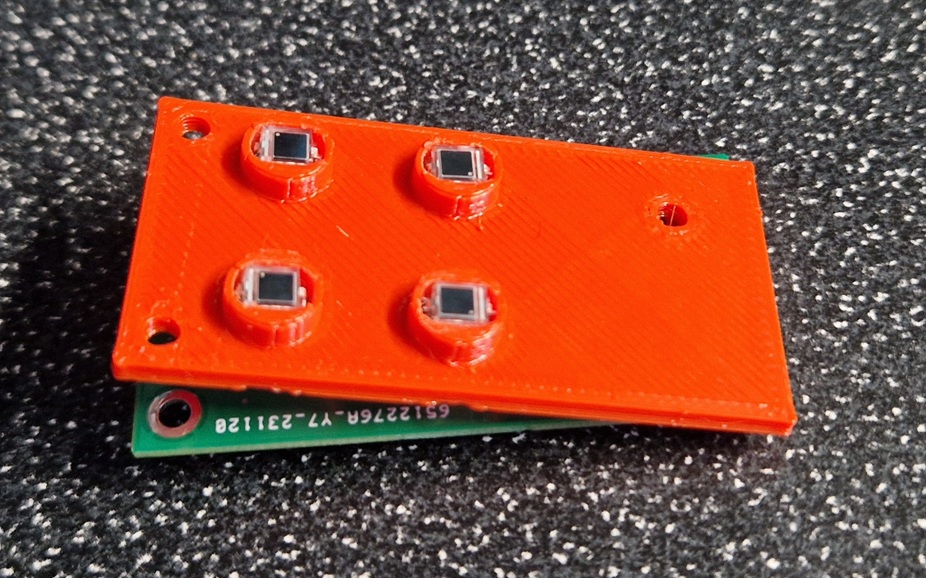
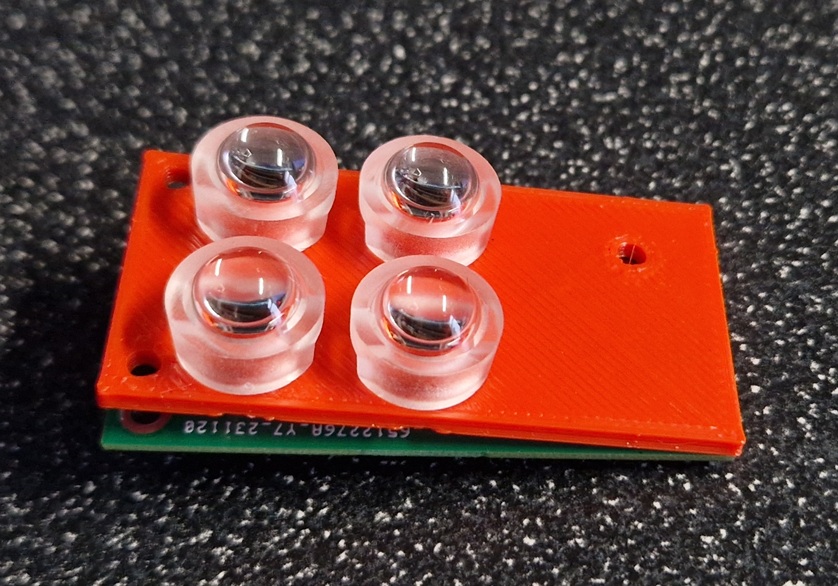
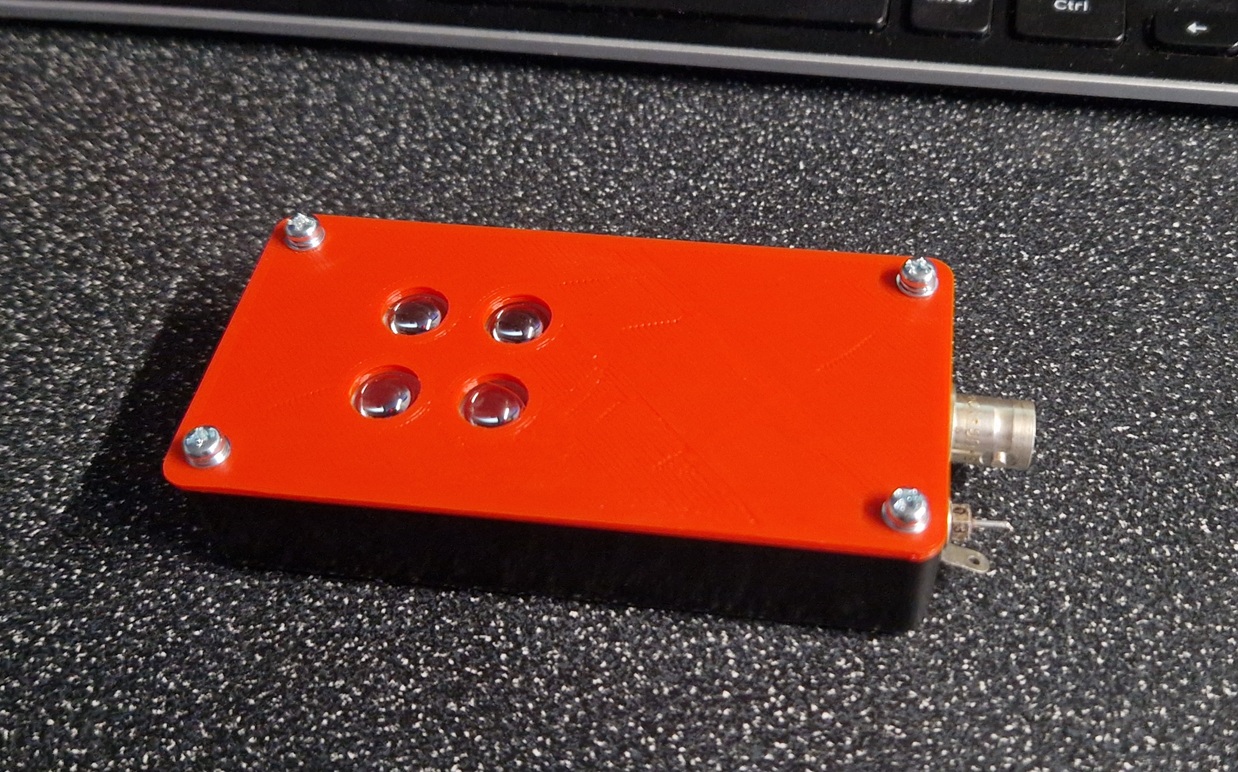
These lenses are the same as the ones used on the Tx with the aim of making the receive beam width the same, although the photodiodes are larger area than the LED’s so it’s probably more like 20-25deg beam.
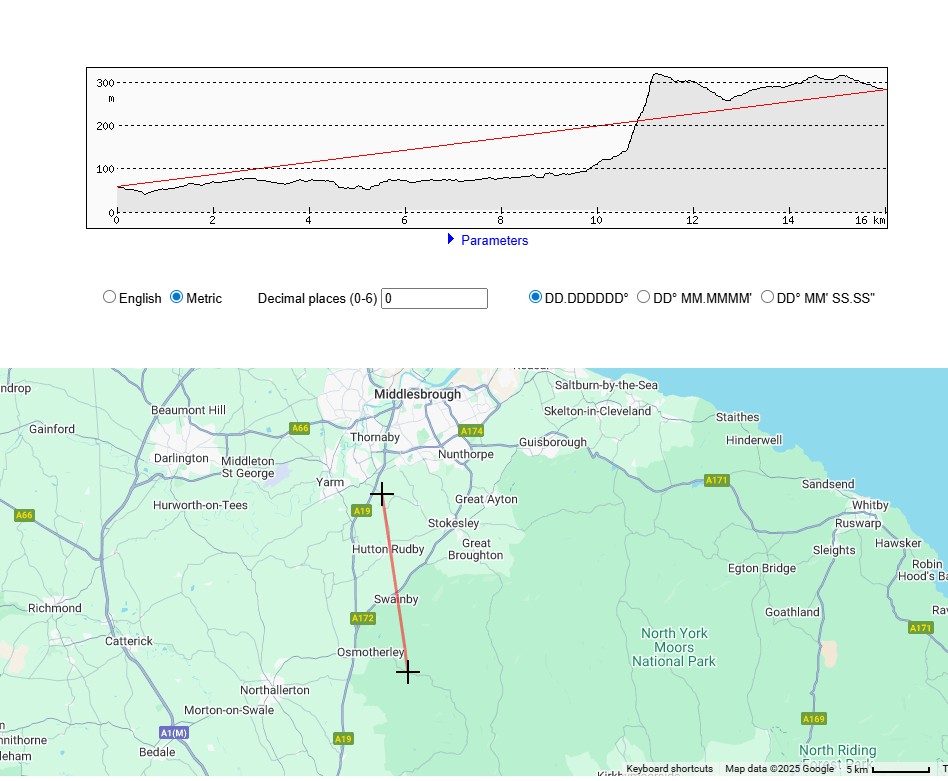
I decided to do a non line of sight test from 16km away as it was guaranteed to work and i could make some repeatable measurements of signal to noise between this new receive and the original 25cm Fresnel lens system.
This was the path…
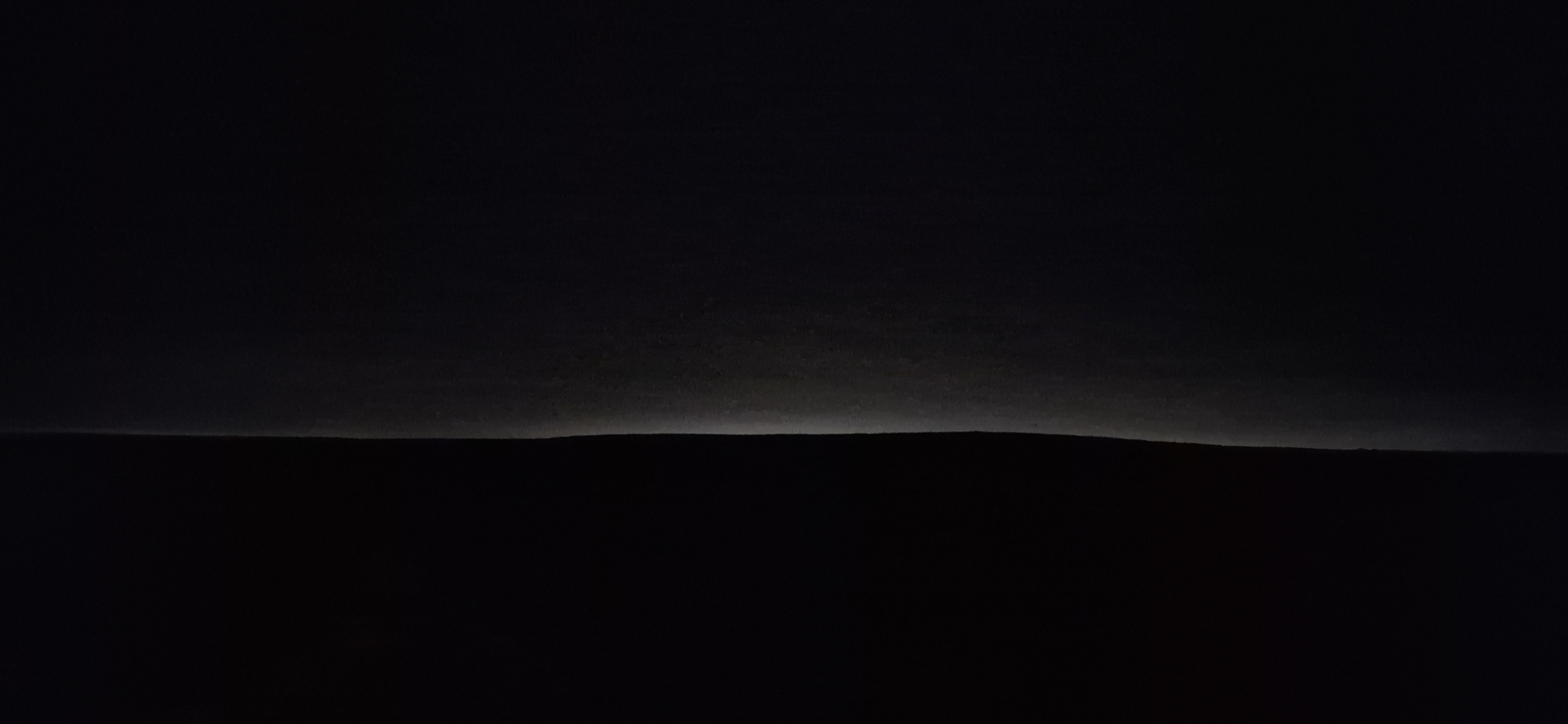
Here’s the view, it was very low cloud, very close to the height of the hills.
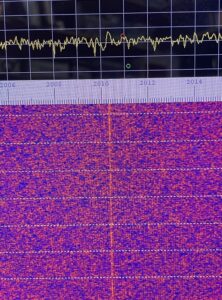
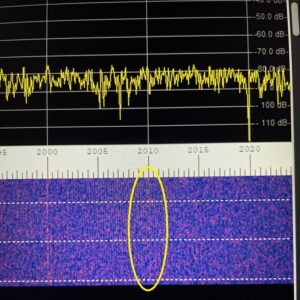
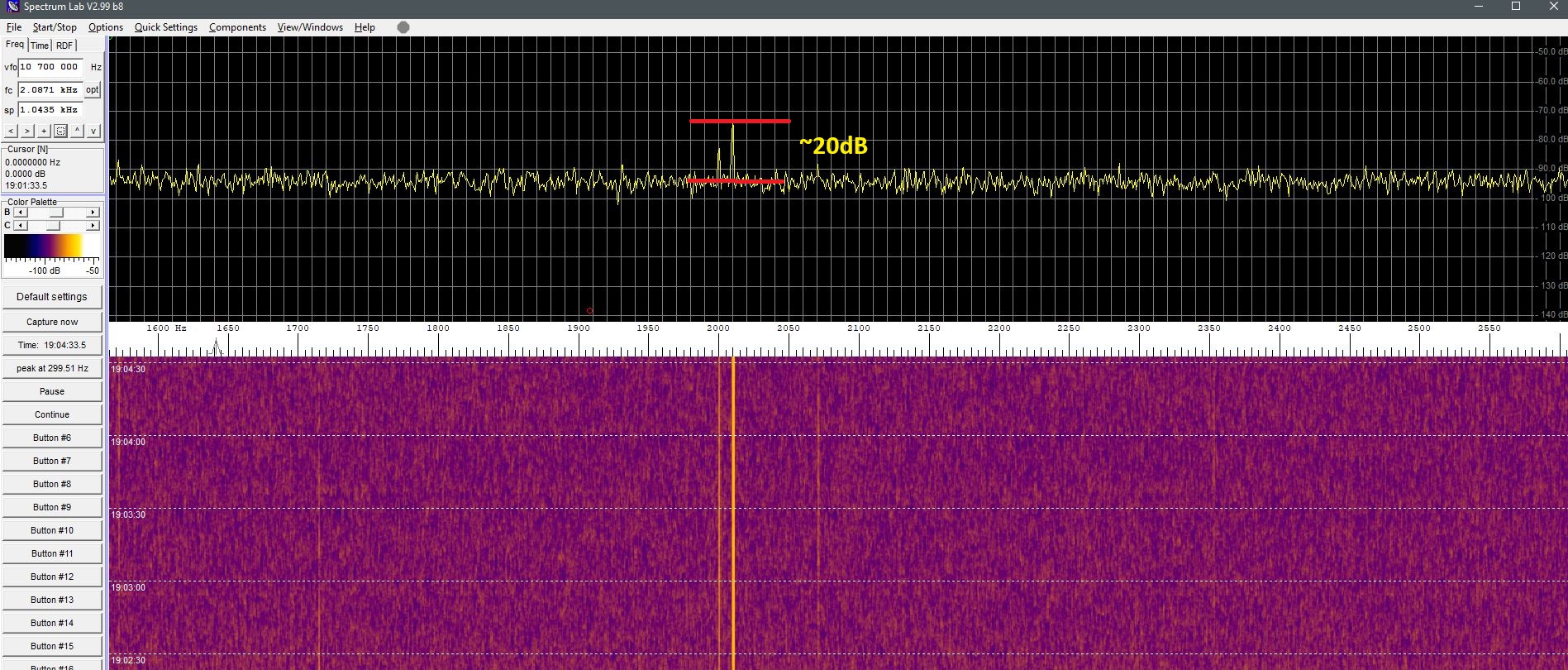
The difference in signal strength received from my beacon at home was only 5dB between the two systems!!
Signal received with 25cm Fresnel Lens and original 4xphotodiode Rx:
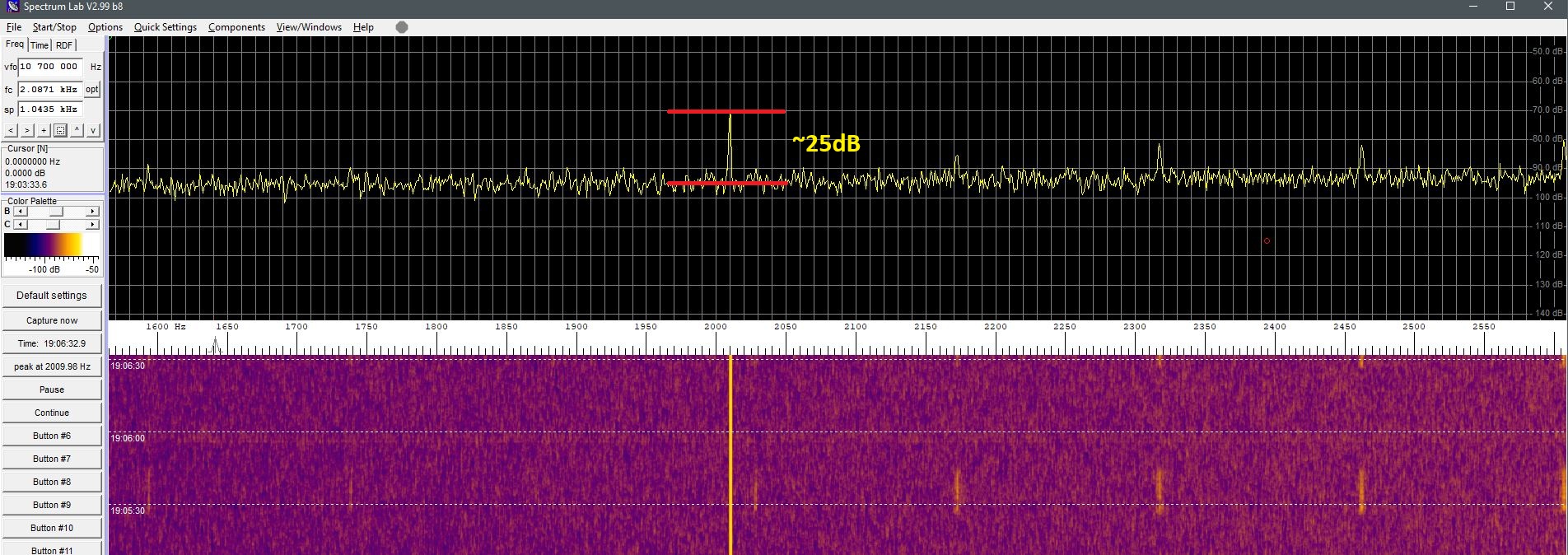
Signal received with 4x lens Rx:
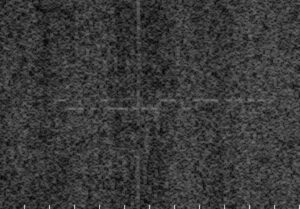
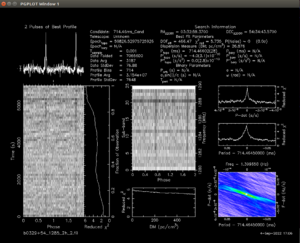
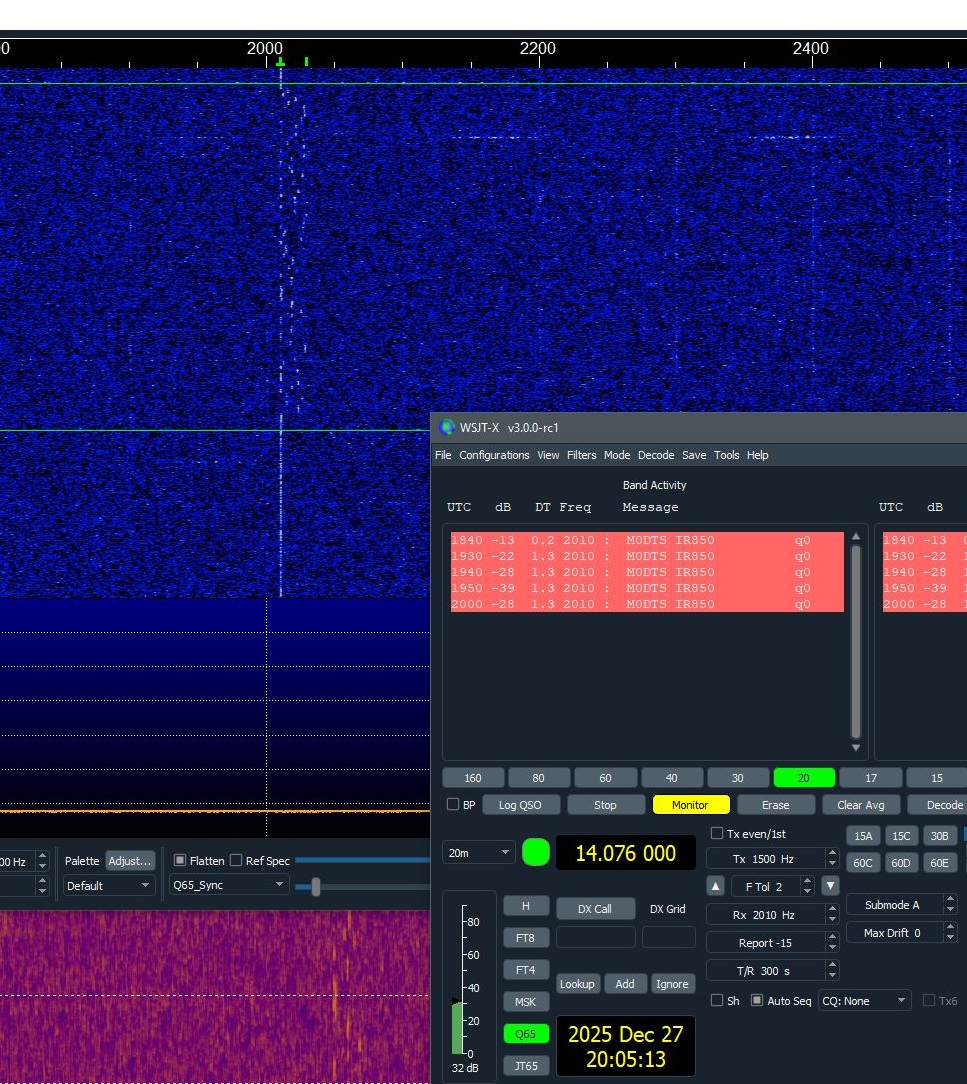
Here’s a screenshot of the decoded Q65 signal, it is not as reliable as i had hoped, the SNR varies a lot with stable signals and does not decode down as low snr as i had hoped… not sure why yet.
The conclusion here is that this 4xlens Photodiode Rx is pretty good!!!
It should be adequate for fairly local tests and be able to be left out 24/7 enabling long term monitoring of the SNR during darkness.
My current thoughts are to maybe go to 8x photodiodes in parallel with 8x lenses, 3dB gain so it’s not far off the 25cm Fresnel system…. I’ll probably make a new PCB for that!